Showing posts with label TRANSPORT. Show all posts

Sunday, 11 April 2021

Props to the bros

Relative to the average YouTube vid, the one embedded below is a bit long (50 mins+), and it's quite a deep dive, but it's also worth your time for the way it unpacks an interesting tale of historical and technological contingency.

tl;dr*: the Wright brothers were the first to fly a heavier-than-air craft** and did so using an engine which was, by subsequent standards, pretty feeble (12-16hp). One innovation which helped them to translate this miserly amount of power into powered flight was figuring out how to build an efficient propeller.

On the other side of the Atlantic, aviation pioneers in France were struggling with stumpy, inefficient paddles for propellers, but building ever more powerful, efficient engines in an attempt to overcome this limitation and get their creations off the ground.

Then, in 1908, Wilbur Wright rocked up in France to demonstrate one of his aircraft. French customs unpacked the machine for some sort of check and managed to damage it in the process. Wright had to get his aircraft repaired and rebuilt with the help of locals, some of whom had been working with French aviation pioneers. This was the moment when the secret of the Wright's propeller technology stopped being a secret.

The fortuitous combination of Wright propellers and powerful French engines quickly became one of the main drivers of the aviation firsts of pioneers like Louis Blériot and Henri Farman, the early French dominance of the aviation industry and the swift evolution of the aeroplane from astonishing novelty to a useful device with practical applications.


It's an interesting tale, far more so than the abbreviated list of "firsts" in less detailed accounts and I like the way it both does justice to the Wrights' genius and the contribution of French engine makers who, in struggling to overcome the limitations of primitive propeller design turned a disadvantage into industry dominance.

*I guess the video equivalent should be tl;dw.

**Not Alberto Santos-Dumont - the video examines the claims that Santos-Dumont was the first to achieve powered flight and demolishes them pretty convincingly. What I particularly like about this video is that it treats Santos-Dumont's actual achievements with seriousness and respect, rather than dismissing him completely for not having achieved this world-changing first.

Monday, 21 May 2018

Universal Basic Transport

Goodbye, car nation?
Estonia To Become The World’s First Free Public Transport Nation

...Now celebrating five years of free public transport for all citizens, the government is planning to make Estonia the first free public transport nation...

...To ride Tallinn’s network of trams, buses and trains for free, you must be registered as a resident, which makes the municipality profit €1,000 from your income tax every year. All you need to do then is getting a €2 green card and carrying your ID on public transport

How does this work out for the municipality?

“There’s no doubt that we not only cover the costs, but also come out with a surplus. We earned double as much as we have lost since introducing free public transport. We’re happy to see that so many people are motivated to register as residents in Tallinn to make use of free public transport.”

Who is profiting the most from free buses, trams and trains in Tallinn?

“A good thing is, of course, that it mostly appeals to people with lower to medium incomes. But free public transport also stimulates the mobility of higher-income groups. They are simply going out more often for entertainment, to restaurants, bars and cinemas. Therefore they consume local goods and services and are likely to spend more money, more often. In the end this makes local businesses thrive. It breathes new life into the city.”
Radical? Unrealistic? Maybe.

On the other hand, buses, trains and trams already exist. So does Tallinn’s experiment in making them free to use, so other nations and regions will be able to watch and see how well (or badly) this works.

Worth watching by anybody who's even a tiny bit serious about traffic congestion, the effect of traffic emissions on the environment and human health, or road accidents. We're still a way off from renewable-powered electric cars for the masses, but most trains and trams these days are already electric, as are increasing numbers of buses.

Free at the point of use might be far-fetched, or even undesirable (affordable is good, but a perverse incentive to use energy for unnecessary journeys is bad). But investing in existing modes of public transport, in tandem with things like the road infrastructure needed to make cycling less hazardous might even turn out to be a quicker and cheaper solution to our traffic problems than waiting until every car showroom sells nowt but 'leccy vehicles and every home, garage workplace and car park has enough charging points.

If nothing else, you could use a radical pro-public transport agenda to generate a bit of free electricity, by making Margaret Thatcher spin in her grave:
"A man who, beyond the age of 26, finds himself on a bus can count himself as a failure." (Quote widely attributed to Margaret Thatcher, who apparently never said it,* but it's the sort of sentiment she'd have endorsed).


*According to Wikiquote, the misattributed quote was based on these words by Loelia Ponsonby, one of the wives of the 2nd Duke of Westminster, who said "Anybody seen in a bus over the age of 30 has been a failure in life". Always good to hear people being mocked for not pulling themselves up by their bootstaps by somebody whose fame rested almost entirely on being born to titled parents (the courtier Sir Frederick Ponsonby, later 1st Baron Sysonby, and Lady Sysonby), being brought up in St James's palace and entering into a disasterously unahppy marriage with a Duke.


Friday, 2 March 2018

Question: "How deep is your love?"

Answer (if you're Transport for London): "As deep as a fifteen floor building."

Geoff Marshall plumbs the depths:

Monday, 11 September 2017

The Dutch are stopping accidents with this one weird trick

If you're a car driver, situational awareness shouldn't end when you turn off the ignition key. Between 2011 and 2015, carelessly-opened car doors killed eight people and reportedly injured 3,108, according to UK government figures. Fortunately, you can be part of the solution, if you just do this:
...[Cycling UK is] urging ministers to have the "Dutch reach" taught in driving tests. This manoeuvre involves the driver or passenger on the right-hand side of the car opening the door with the left hand - forcing them to turn and see if anyone's approaching.

It's a mandatory part of Dutch driving tests. 
It's simple, it works, and I can't imagine why anyone would object to making this tiny modification to their car door-opening behaviour.

Of course, there's bound to be some aggrieved motorist out there who'll go off on some mad rant about how he's* used his other hand all his life without dooring a cyclist, how it's always cyclists who are a menace to all law-abiding road users and how we wouldn't need this latest example of health and safety gone mad if all other road users except him weren't idiots.

It shouldn't need pointing out that this sort of whingeing is nonsense, but it probably does. Part of the problem is the tribal "us and them" mentality which unites some motorists in their hatred of cyclists (and vice versa). The thing is, you can always find individual examples of somebody else on the road behaving badly, including cyclists - the recent case of the wanton and furious cycle killer, Charlie Alliston, comes to mind.

The Alliston case, in turn, generated this headline in Cycling Weekly - "The media coverage of the Charlie Alliston case should be disturbing for cyclists everywhere", as if criticism of one person's selfish irresponsibility needs to be toned down, lest it reflect badly on the rest of the cycling tribe.

The thing is, like a lot of people, I'm sometimes a pedestrian, sometimes a motorist, sometimes a cyclist, sometimes a public transport user. I am large, I contain multitudes. None of these identities is a problem if I behave with care and consideration. Any of them might be if I don't.

The differences between the various forms of transport shouldn't be tribal. The only distinction which matters is an ascending hierarchy of responsibility, related to how much damage your chosen form of transport could do. An individual cyclist might be as careless as an individual motorist, but it seems beyond obvious to me that the motorist's carelessness is a bigger problem, because you can do more damage with a motor vehicle - there's a reason why there have been several terrorists attacks involving motor vehicles being deliberately driven into crowds, but none involving disaffected misfits deliberately trying to create mass carnage with a push bike.


*It might be a she, but I'll bet folding money that it will be a he.

Thursday, 24 August 2017

Hims ancient and modern

After carelessly mowing down and killing a mother of two by speeding along a busy street on a non-road-legal track bike with no front brakes, 20 year old Charlie Alliston has been convicted of causing bodily harm by “wanton and furious driving.” The wording of the offence sounds ancient, almost quaint, but the words "wanton" and "furious" are surprisingly appropriate here. If Alliston had shown some hint of empathy, remorse, or responsibility for his actions, this could have been *just* another tragic accident. But, instead, what we got was a wanton outburst of entitled fury aimed squarely at his victim:
Following the crash, Alliston posted a comment on an online news article claiming he had shouted out "to get out of the way" but she "ignored me", looked back at her phone then "stopped dead" in his path.

He wrote: "I feel bad due to the seriousness of her injuries but I can put my hands up and say this is not my fault."

On an internet forum for fixed bike enthusiasts, he later described how he twice warned her to "get the f*** outta my way".

He wrote: "We collided pretty hard, our heads hit together, hers went into the floor and ricocheted into mine. It is a pretty serious incident so I won't bother saying oh she deserved it, it's her fault. Yes it is her fault but no she did not deserve it.

"Hopefully, it is a lesson learned on her behalf, it shouldn't have happened like it did but what more can I say."

He complained: "Everyone is quick to judge and help the so-called victim but not the other person in the situation, ie me. It all happened so fast and even at a slow speed there was nothing I could do. I just wish people would stop making judgments. It's not my fault people either think they are invincible or have zero respect for cyclists." 
My emphasis.

What could be more zeitgeisty than an entitled, self-pitying man-baby wantonly and furiously running down any female who dares to impede his royal progress? I'm irresistibly reminded of some of the things Tim Squirrell found scuttling around when he looked under the rock of an alt-right Reddit community for his recent "Taxonomy of trolls", especially in the specific sub- communities of mens' rights activists and anti-progressive gamers. He describes the latter as:
Closely related to the above [i.e. men’s rights activists], these trolls were radicalized over the course of the #GamerGate hate movement. They really like video games, and they really hate social-justice warriors, gay people, and feminists, all of whom they’re pretty sure major movie and game studios are “pandering” to with things like all-female screenings of Wonder Woman. You’re likely to see them talking about the trans community a lot (and repeating the words “there are only two genders” constantly). Elsewhere on Reddit, you’ll find them in gaming subreddits, or /r/KotakuinAction, which was the home of GamerGate.
  • Most common words: SJW, snowflake, pandering, tumblr, feminist, triggering, GamerGate, virtue signalling 
 "Wanton and furious driving" may sound like a relic from a bygone age, but furious, self-obsessed male misfits yelling at everybody else to "get the f*** out of my way!" are, sadly, as much a product of the modern world as the latest video game release.

Thursday, 3 August 2017

Hybrid vehicle

Camper vans, motor homes, recreational vehicles - their names are legion, but there are usually only two ways of getting one.

  1. Buy an off-the-shelf motor home which the manufacturer has built as a motor home
  2. Buy some kind of truck, van, or minibus and have the interior fitted out with the appropriate furniture by a professional coachbuilder (or do it yourself if you have the skills, time and tools).


But the individual responsible for the mobile Frankenhome below has no time for such conventional ways of doing things:
"I have a flat bed truck. I have a towed caravan. I graft the caravan body onto the truck. Behold my creation! It's alive! IT'S ALIVE!!!"
Spotted in Scarborough, earlier this week.

Sunday, 23 April 2017

Well, that was a surprise...

So how are things going with the idea of UK breaking free to cut all those really great international trade deals, without the dead hand of Brussels holding it back?
Boris Johnson says Britain will be first in line for US trade deal after meeting with Donald Trump's team and Paul Ryan
Telegraph headline, January 9th, 2017.
Donald Trump ready to do trade deal with EU ahead of the UK
Telegraph headline, April 23rd ,2017.

Apparently not so well.

Honestly, if you can't even trust Boris Johnson and Donald Trump, who can you trust?

Thursday, 15 August 2013

Brave new world for tiny plastic people


Filed under 'so niche as to be practically invisible', the publication of the infamous Beeching Report inspired this piece of miniature futurology from the May 1963 edition of Railway Modeller magazine:
Instead of an antiquated, rusty, worn-out, run-down museum piece we are to have an exciting, modern, viable, if smaller, railway system which once again should be the finest in the world. We shall have faster, more comfortable, long-distance trains between the main centres and new-style goods trains which, with their provision for colourful privately owned containers, will bring a welcome note of variety to the scene. The new bulk handling plants not only make sound commercial sense, they will also make good models. We shall, of course, lose the romantic, happy-go-lucky branch lines, but these, and many other historical aspects of our railways, we can enjoy in model form. From the modeller's point of view the future holds much excitement in store...

...We have an entirely new railway system to serve as a prototype, in addition to the now historical steam-worked lines. Those who look forward to the new concepts must realize that buses and lorries will play an important part in the miniature transport picture. Many indeed have already begun to incorporate working roadways into their layouts, and while we know of some we should like to hear from all readers who are experimenting on these lines - if lines be the right term!
From the archives of the University of York's Institute of Railway Studies and Transport History (there's quite a lot of contemporary reaction to Beeching on the page - you'll have to scroll down a bit to get to the Railway Modeller piece).

I'm no expert on model railway layouts, but I can't see much evidence to support Railway Modeller's prediction that the model railway community's ambit would expand to include the exciting new world of 'bulk handling plants.' Fifty years after Beeching, your typical British model railway still has more in common with some sleepy, pre-Beeching, happy-go-lucky branch line than it does with a modern road-rail intermodal freight handling facility. For example, most exhibits at this randomly-picked model railway exhibition look more like a scene from The Titfield Thunderbolt than a day in the life of Daventry International Rail Freight Terminal.

Prediction is very difficult, especially about the future, as somebody once said. Logistics and relative complexity obviously played a role in small-scale bulk handling plants failing to become a thing, but there's probably a big element of nostalgia at play here, too, of people taking refuge from the modern in a safe, cosy, familiar, manageable past.

Maybe it's just the same reactionary aesthetic that attracts some people to the Daily Mail's fictionalised ideal of an early-to-mid-20th Century Britain before immigrants, single mums, gays, health and safety, political correctness gone mad, or the liberal Grinch who stole Christmas, where all social problems could be cleared up with a clip round the ear from your friendly bobby on the beat, or, in more serious cases, by hanging. The recreation of a tiny self-contained little Britain, slightly removed from current reality, understood as a displacement activity to keep the scary modern world at bay.*

It's tempting to just point, laugh and move on, but the thing about displacement activity is that the unpleasant stimulus is real, even if the reaction to it looks inappropriate, misdirected, or even barking mad, from the outside (think of an OCD sufferer retreating from some intractable and emotionally painful situation into a ritualised little world of repetitive hand-washing, or arranging small household objects in a particular order).

In 1963, Railway Modeller thought that 'the future holds much excitement in store.' In 1993, somebody noticed that the future had duly arrived, but it just wasn't very evenly distributed. Ten years later, there's still plenty of unevenness around and , as far as I can see, it's the unevenness that causes the fear and insecurity and makes a flight back to some airbrushed 1950s Eden of child-like innocence seem like an attractive option. The technology that was going to make everything more 'exciting, modern' and 'viable' has also helped to bring us from a society with a labour shortage to one where workplace efficiencies have translated, not into a world of shared leisure and prosperity, but into one of systemic job insecurity, depressed earnings, unemployment, or underemployment for the many and a greater concentration of wealth and control for a powerful few.

We've seen social mobility seizing up and going into reverse. We've had our share of a global economic crisis, orchestrated by an out-of-control, IT-enabled finance sector, a crisis that's been suspiciously congruent with a massive, well-organised, global transfer of wealth to already rich and powerful people (of the biological and corporate varieties) from almost everybody else. We've got Taylorised meatbots, living one efficiency-driven reorganisation away from unemployment, drudging away in automated workplace panopticons where the technology that promised to set them free monitors every second of every unproductive toilet break, telling themselves that they're lucky to have a job, so they can afford the latest shiny thing that make it all better, as produced by even more powerless disposable humandroids toiling in unspeakable conditions on the other side of the world.

No wonder some people think modern life is rubbish. In fact, the technology itself is astounding and potentially liberating. It's the uneven distribution, the inequalities of power, the corrosive lie that There Is No Alternative that sucks. You can't un-invent technology, but you can make political choices about sharing out the gain and pain that comes from change. But you can't even start to think about rational political choices when you're stuck in an endless OCD loop of futile displacement activities, like scapegoating the powerless for the misdeeds of the powerful, or moralising about imagined individual moral failings, instead of addressing actual, systemic, institutional malfunctions.


*The aesthetic of escaping from the big, bad world into a smaller, friendlier childhood idyll, possibly including trains, isn't necessarily reactionary, so long as it doesn't come with a massive side-order of prejudice and hatred. After all, the nation's favourite cuddly left-wing uncle, Oliver Postgate, creator of the cooperative, egalitarian Clangers, was also responsible for the tiny train-centric world of Ivor the Engine.


Wednesday, 3 October 2012

The hairy face of the establishment

It's probably entirely fortuitous that a conglomerate tasked with stripping public heath care assets has been spared the brand-tarnishing ignominy of being stripped of its train operating franchise. Comparison with FirstGroup would make anyone look good. This, combined with the total shambles of the franchise system may be sufficient explanation for t he abrupt u-turn.

But when Virgin Group's own corporate web site boasts of the organisation's 'unrivalled network of friends, contacts and partners', you can't help wondering whether a group that's enjoying a three-way romp with Jeremy Hunt, Jamie Oliver and Lord Sugar has simply become too big a part of the establishment to fail.

Thursday, 26 April 2012

... and I'm still feeling mean

I'm celebrating the acquisition of my latest set of wheels, an elderly, silver, Honda Civic, formerly the property of an elderly lady who didn't put many miles on the clock. Take it away, Lemmy:

 C

Sunday, 19 February 2012

Per ardua ad astra

Here's a picture of one of the last generation of piston-engined airliners, Lockheed's stylishly elegant Constellation. Why? Just because it's gorgeous. I don't need any other excuse:
Those old piston-engined airliners would have fascinated me even had they never left the ground, but the thought of such beautiful mechanisms actually travelling through the sky was almost too much to take.

Clive James Flying Visits

 Mind you, the first jet airliner was a thing of beauty, too. Check out this picture of a De Havilland Comet resplendent in its BOAC livery.*
 Photograph © RuthAS published under a Creative Commons Licence)

There are a couple of pictures in my dad's photograph album, showing a gleaming silver Comet undergoing trials in Cyprus (taken when he was doing his National Service, as an admin erk with the RAF). Back in Britain's last age of austerity, the Comet must have looked like the future. Not just some marketing bullshit about a brighter future, but something real, substantial, riveted together and ready to fly. The democratisation of air travel was still decades away, (first came the phase when "jet set" meant the globe-trotting elite) and the planes that would deliver it, on the far side of a series of those tragic Comet crashes, were mostly American, but a real future was being built, starting here and now. Dan Dare may have been fantasy, but a bit of the future promised by the Eagle Comic would be delivered.

Britain was further ahead in democratising health - the National Health Service was being built and starting to deliver for ordinary people. Educational opportunity was being widened in the wake of the 1944 Education Act. A million new homes were being built. In a nation exhausted, grieving and debt ridden after half a decade of total war. Of course there's a list of things as long as my arm of things that were deeply wrong with '50's Britain, things nobody in his or her right mind would want to go back to, but at least there was a workable vision of the future. The future contained both excitement and real improvements to the lives of ordinary people and a substantial portion of what was being promised would really happen, or was already happening.

Compare and contrast with the view form today's Austerity Britain, at the tired fag-end of the New Elizabethan Age. Never mind building anything, we're just looking on in mild bafflement as a succession of clueless, over-indulged ex-public schoolboys break the NHS up for whatever scrap value their cronies can squeeze out of it. Better education, housing, jobs the promise of a brighter tomorrow? Sorry, we can't afford any of that. Not because we've just made unimaginable sacrifices to help defeat an existential threat of pure evil. No, just because a few influential people believed that a muddled mess of mergers and takeovers, trading in obscure financial instruments and people selling property to each other at ever more inflated prices was the future. And gambled our future on this sorry excuse for a vision and lost big, and presented the rest of us with the bill, and convinced us that it was all our own fault for selfishly wanting hospitals, schools and libraries and stuff.

But don't worry folks; we may not have a future, but we can still party like it's 1952, to celebrate the fact that a random member of the population has spent the last fifty years living in several gigantic houses, wearing hats and waving. We can't top the ascent of Everest, but we can all enjoy watching Andrew Marr trying to out-toady Gyles Brandreth. And why not come along to our national sports day - we've even designed a special logo that looks like it came from a pound shop, but actually cost the best part of half a million quid? Good grief.

Britain was less prosperous then, but it did have one thing we lack today - 'change you can believe in', as the saying goes. I'm sure there's a brighter future out there somewhere, but it's damn near impossible to see it from here.


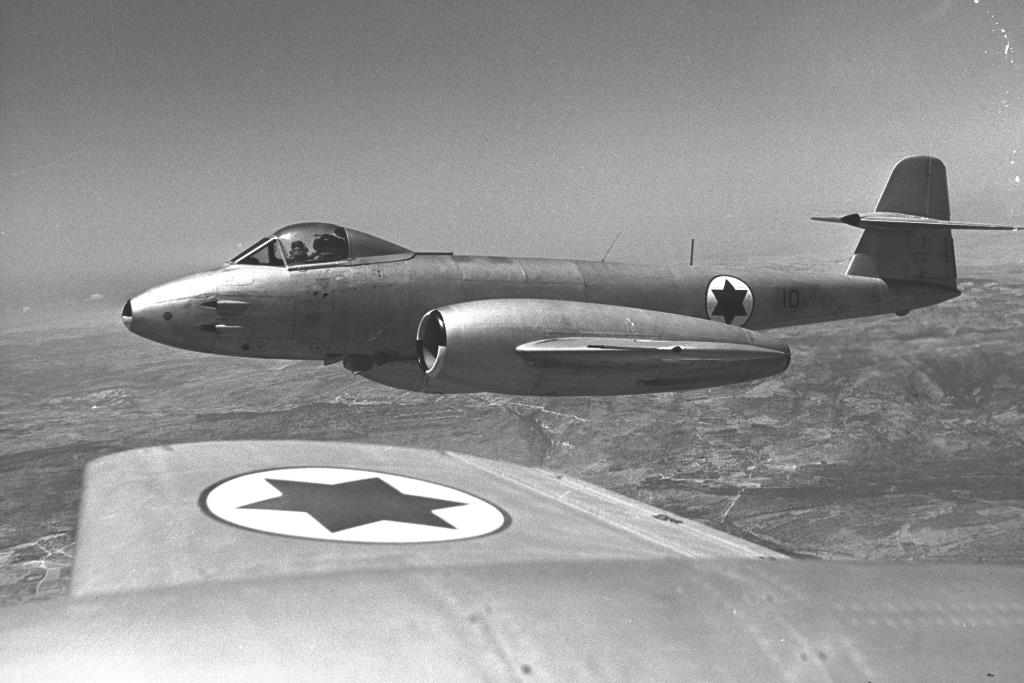
Anyway, back to the Constellation and the Comet. They represent a surprisingly small subset of aircraft - ones named after heavenly bodies. You'd think that celestial objects would be a popular choice for machines aspiring to break the surly bonds of earth, but it doesn't seem to be so. If we strip out the workaday nomenclature of letters and numbers (Boeing 737, Airbus A340, etc), the most popular aircraft names seem to come from birds and winds (fair enough). Names with a night sky theme don't seem to stand out very far above the background noise of more random, idiosyncratic names (and they do get pretty idiosyncratic - what were they thinking when they came up with "Vickers Wildebeest"?). You've got the Gloster Meteor, the Martin Mars the Canadair North Star and not many others. 

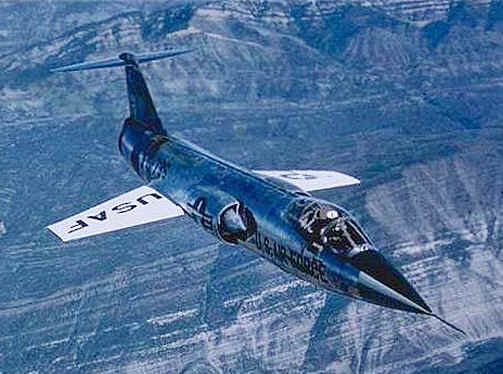
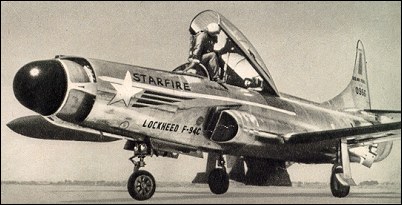
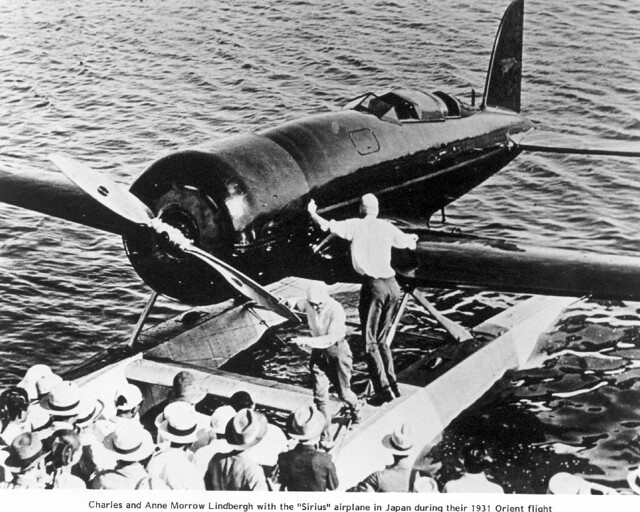
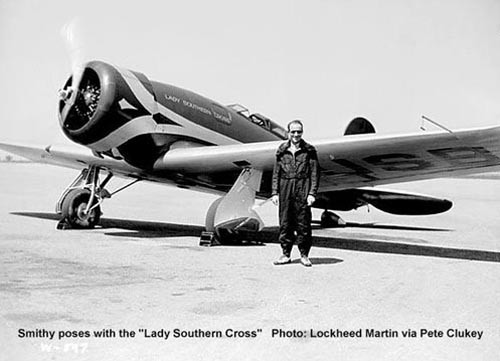
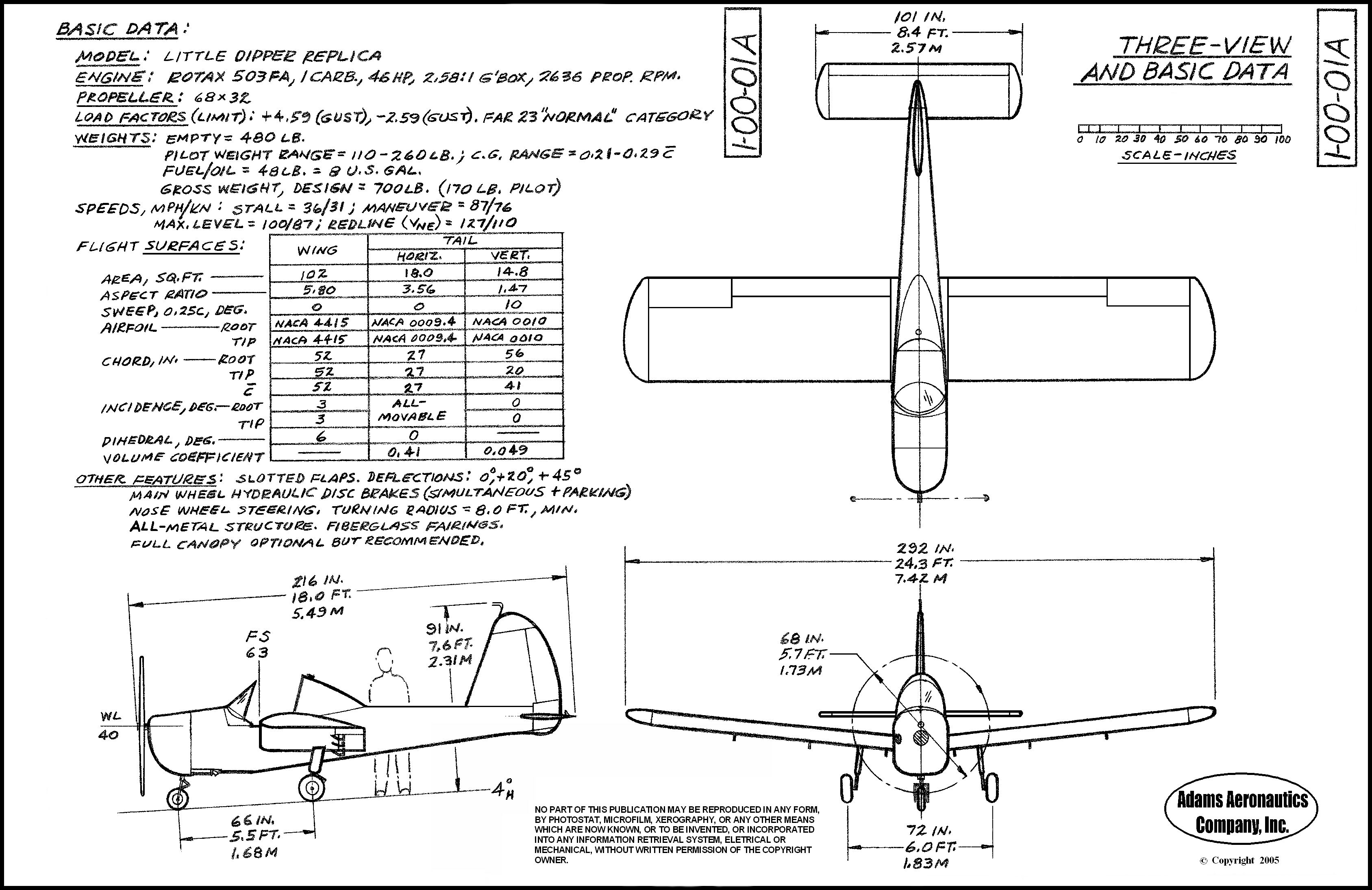
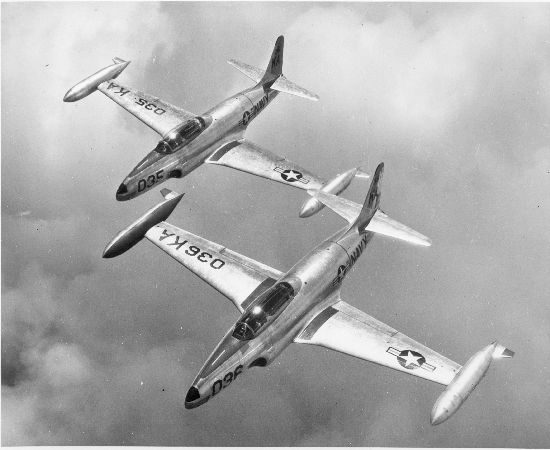
However there's one notable cluster (or constellation) of astronomically-themed aircraft names. Lockeed, makers of the Constellation kept their starry night thing going for years. Not even counting starry names that don't refer to actual celestial bodies (Tristar, Starfighter, Starliner, Starfire, JetStar, Quiet Star), Lockheed have given us the Vega, the Orion, (so good they used it twice) the Sirius, the Altair, the Lodestar, the Neptune,** the Little Dipper, the Big Dipper, the Shooting Star, the Saturn, the Hercules (a constellation as well as a Greek tough guy) and (as Lockheed Martin) the Galaxy. 


They didn't do a Comet, though. Which might be just as well, given how unlucky the British Comet was. I'm not superstitious or anything, but after the Brits had called their jetliner after a star of ill omen, they had to literally pick up the pieces when it started to demonstrate the effects of metal fatigue in the middle of scheduled flights. A few years earlier the Nazis built themselves a rocket-propelled wunderwaffe called the Messerschmidt 163 Komet, which proved as hazardous to its pilots as it did to the allies. The Japanese had a dive bomber called the Yokosuka Suisei ("Comet"). There's quite a famous photo of one of these, pressed into kamikaze duty, trailing smoke in its last, doomed, dive.


 Superstition thrives on such unfortunate coincidences.

*Bonus points for the livery, by the way - doesn't the speedbird symbol on the tail look so much crisper, more purposeful and altogether better than the post-privatisation Union Flag tailfin currently adorining British Airways aircraft? BA have used a couple of fuselage logos related to the original speedbird, the "speedwing" and the "speedmarque", but neither of them look anything like as good.

** OK, this may have referred to the sea god, rather than the planet.

Thursday, 9 February 2012

Car hat man

It's freezing outside. So cold that I've driven the car half a mile down the road before I've realised that I'm still wearing a hat. In a car. This is not acceptable.

As any fule kno, only two types of male wear hats in cars:

  1. Doddery little old men (usually with sticking out ears), who drive slowly and erratically. Hat of choice - the flat cap.
  2. Spotty boy racers, who drive fast and erratically. Hat of choice - the baseball cap. The baseball cap effect is scalable, with levels of uncontrolled speed and spasmodic manoeuvring increasing in a predictable way as the in-car baseball cap count increases (immediate evasive action is recommended if the number of baseball caps in one vehicle is equal to, or greater than, four)

My hat comes off and I wait for the car heater to kick in. Hats in cars. There's no excuse.


Thursday, 3 March 2011

The technicals strike back

In the fluid tug-of-war that defines this conflict, military movements have been characterised not by well-planned mass movements of armoured columns supported by air power, but by rapid dashes across the desert by lightly armed men in pick-up trucks and SUVs.

Frank Gardner, BBC March 2, 2011

It’s encouraging to see that the Libyan rebels have successfully seen off Gaddafi’s first attempted counter-attack. I don’t know enough about military matters to know whether or not to be further encouraged by the fact that Gaddafi seems to be relying heavily on a strike force of guys in pick-up trucks.

On the one hand, it seems strange. We know he’s got tanks and other armoured vehicles and he isn’t squeamish about slaughtering his own people when he deems it necessary. He’s operating on the sort of open terrain that lends itself to tank warfare (or at least it did when Rommel’s panzers and the Eighth Army were contesting it). Most of the rebels, (other than ex-soldiers) presumably don’t have tanks, or aren’t trained to operate any captured ones. If Gaddafi can’t, or won’t, use his armour he’s throwing away the sort of massive firepower advantage neatly summed up by Hilaire Belloc in The Modern Traveller:

Whatever happens we have got,
The Maxim gun, and they have not

He could be keeping his tanks in reserve for a last stand in Tripoli, but if the rebels break into the city at any point, he’d risk getting into the sort of street fighting where his tanks would become vulnerable to roadblocks and Molotov cocktails.

If most of the guys in the trucks are mercenaries, perhaps Gaddafi has figured his petro-dollars have bought their undivided loyalty, whereas his army tank commanders might feel a tad conflicted about rolling their tanks over friends, family and neighbours.

Or maybe it was just tactics. Assuming that they didn’t have to go off road all the way, I presume that a bunch of Toyota Hiluxes could have got to Brega a damn sight quicker than a column of tanks. If the pro-Gaddafi forces wanted to launch a surprise attack, maybe speed was of the essence. And let’s not forget that your pick-up trucks with big guns on the back (or “technicals” as they’re known in some parts) are cost-effective force multipliers, as western troops in Afghanistan have found to their cost.

If one of Gaddafi’s primary objectives is raiding and destroying any arms, ammunition and fuel dumps in rebel hands, maybe his fleet of “technicals” is the best force for the job – a modern equivalent of the Long Range Desert Group that cruised around the Libyan deserts giving Rommel a serious headache 70 years ago.

So, in the short term, I don’t know whether or not the lack of tank columns is a good indicator that Gaddafi’s losing his grip (on power – his grip on reality went decades ago) ,or just a matter of tactics. In the longer term, I’ve no idea whether the prognosis is good or bad. Salman Rushdie has just given an optimistic talk about the changes in North Africa and the Middle East, pointing out that Islamist militants don’t yet seem to be filling the vacuum left by toppling tyrants.

I really hope he’s right, but the Iranian Revolution was also started by a mixed popular front composed of liberals, communists, socialists, Islamists and everybody else who just hated a corrupt and brutal regime. It wasn’t long before the Islamist faction, the most ruthless, the most disciplined and the most organised element in the revolution took over and started hauling their fellow revolutionaries off to the Shah’s old prisons and torture chambers. As so often, the prize went to the revolutionaries who risked most, pitied least and had the highest boredom threshold:

To-day the deliberate increase in the chances of death,
The conscious acceptance of guilt in the necessary murder;
To-day the expending of powers
On the flat ephemeral pamphlet and the boring meeting.

Let's hope that the 2011 revolutions will consign 'the adoration of madmen' to history without moving on to 'the necessary murder.'

Wednesday, 2 March 2011

London 2012 - beauty and the beast

It's crowded, expensive, showing its age and, in places, tatty, but the London Underground has one thing going for it - it's a showcase of good graphic design. From the Underground roundel symbol, to Harry Beck's circuit diagram-inspired map, to the ubiquitous Johnston Sans typeface, the look is crisp, clear and coherent.

In fact, it's everything that the London 2012 Olympics logo isn't. Just look at this:

                                                                                                                                    *

Are your eyes hurting yet? Mine are. What a mess. And it cost £400,000. At its 2007 launch, Lord Coe gushed inexplicably that the image represented 'the vision at the very heart of our brand'. If that's really so, I'd recommend that the 2012 Olympics introduces testing for hallucinogenic, as well as performance-enhancing, drugs.

Given five minutes and an old Bic biro, I could have doodled something better than that, inspired by nothing more than a mild sense of boredom  The Register was suitably underwhelmed:

Olympics minister Tessa Jowell clearly spent too much time in the chill-out room absorbing whalesong from her iPod at the "star-studded" launch of the 2012 Olympics logo in London's Roundhouse earlier today, since she described the rather frightening graphic as both "an invitation and an inspiration" as VIPs battled to verbally out joss-stick each other.

According to the official blurb, the logo is "modern and will be dynamic, evolving in the years between now and 2012" and furthermore "symbolises the Olympic spirit and the ability of the Games to inspire people to take part - not just as spectators, but as volunteers, in the Cultural Olympiad and more"
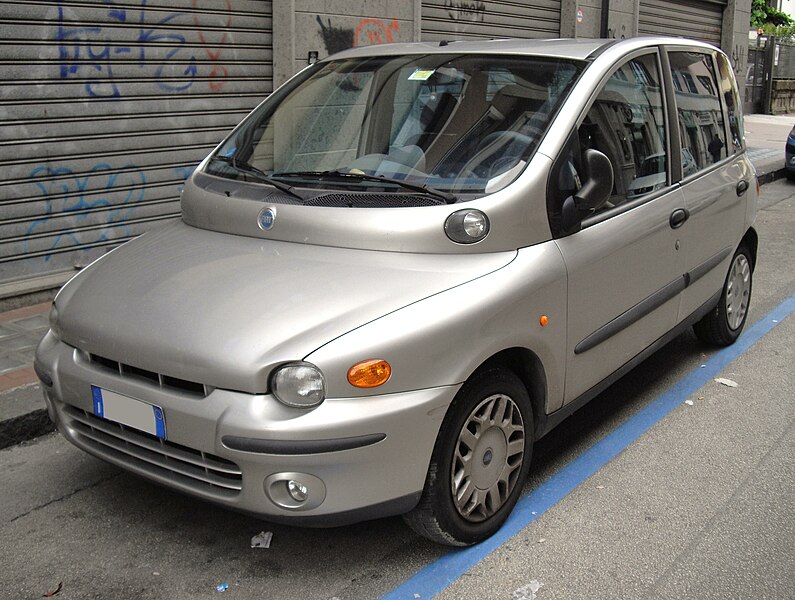
The London 2012 logo deserved to be binned for being as bewilderingly ugly as the pre-facelift Fiat Mutipla without having the excuse of being useful in any way. Unfortunately, it's too late to replace it with something better now and, inexcusably horrible though it looks, I suppose anything that infuriates Ahmadinejad and Iran's Mad Mullahs can't be all bad.


 * London 2012 logo photograph © copyright Nigel Chadwick and licensed for reuse under this Creative Commons Licence.

Monday, 8 November 2010

Helicopter view

Because everybody likes pictures of helicopters. At least that's what I conclude from the fact that this is by far the most popular photograph I've ever posted on Panoramio, with 4,970 views to date, (over three times more views than any other photo I've posted). The location, in the Shetland Isles, probably helped (the most popular six photos were all taken there).

Which is all slightly annoying, as the Shetland photographs are the only ones I didn't take myself - my partner took them whilst on a trip to Lerwick, where she was overseeing an Open University degree ceremony. Ho, hum...

Friday, 22 October 2010

Punching above their weight

A former British special forces soldier speaks out on some of the kit being used in the Afghan war. For a change, he's quite impressed:

“I’d say the appeal is pretty simple,” he says. “You can’t underestimate the value of having a vehicle that is fast, will never break down, and is strong enough to mount a heavy weapon in the back.”

Oh, wait a minute - he's talking about the enemy's kit. Namely, a Toyota Hi Lux with a big gun on the back. To use a tired expression, somebody's 'punching above their weight' - but it's not the Brits.

We probably wouldn't want British squaddies riding around in those things - at least, not until Top Gear demonstrates that they're also roadside bomb proof (Jeremy Clarkson + Improvised Explosive Device = pure television gold), but it's still a graphic illustration of how much defence spending is wasted on kit that's not that much better than something you could buy cheaply off the shelf (after all, as numerous grieving relatives have found out in tragic circumstances, a lot of expensive military-spec vehicles used by our armed forces haven't been IED-proof either).

Plentiful, good enough, and here right now might serve our forces better than perfect, scarce and probably ready some time this decade.

Although, if the exit strategy from Afghanistan involves bringing the bad guys back into government, maybe we could save even more money by just bringing everyone back home from Afghanistan right now. Human rights in Afghanistan have been abysmal, and elections are better than warlords and crazed fundamentalists, but when I read things like this, I wonder how long any changes for the better will last:
The new negotiations involve agreements to allow Taliban leaders positions in the Afghan government and the withdrawal of US and NATO forces according to an agreed timetable, the newspaper said.
The White House on Wednesday backed the idea of Afghan government reconciliation talks with the Taliban...
(AFP)  Maybe, when NATO has packed up and gone home, the Taliban ministers will play nicely and not get up to any naughty human rights abuses or seizing power, but I wouldn't bet the house on it.

Wednesday, 29 September 2010

Treesat


Yes, it's a picture of a satellite dish. Screwed to a tree. It sort of captures the spirit of a certain place. Let me explain.

We recently spent a long weekend camping. We decided to head for Christchurch, on the grounds of relative accessibility and the area's reputation for having a generally warm, sunny micro climate. Weather-wise, we more or less hit the jackpot and enjoyed weather as sunny and temperate as you'd have got anywhere in the UK in late September.

The camp site we rolled up at was pretty exceptional, too, although not necessarily in a good way. We picked a secluded-looking site off a forested road. It had its good points - a very clean shower / toilet block (the showers, at 20p a pop were feeble but adequate). An on-site shop and decent facilities, too.  What we didn't notice until after we'd parted with our money at reception (no refunds, natch) was that, screened by the surrounding trees, but only about half a kilometer up the road, was the main runway of Bournemouth International Airport. Also hidden by the trees on the other side of the site was the thundering traffic of the A338.

Almost undaunted, we pitched up (we recently moved up from a tent to a folding camper, an inelegant-looking trailer tent-style affair that goes up a lot more quickly than a tent, is reasonably spacious and has the option of an electric hook-up facility for those little luxuries like kettles, toasters and such). We're used to jolly, informal camp sites with tents or a mixture of tents, caravans, camper vans and in-between contraptions like the one we were using, but this place seemed to be exclusively used by people with huge caravans and recreational vehicles, most of them accompanied by new and expensive-looking vehicles, packed together like sardines in a tin.

 It became clear from quite early on that, although the management welcomed our money, our actual presence in our down-market folding contraption was rather less welcome. We asked for a double pitch, as we had friends arriving the next day. No, nothing was available (except for an exceptionally gloomy patch of ground at the thundering traffic end of the site). When our friends, who have a rather smart camper van, eventually turned up, they were greeted with considerably more enthusiasm and a bit of obsequious fluttering ("yes, of course we can find room for your [insert name of up-market recreational vehicle here]"). Old memories of Basil Fawlty falling over himself to attend to a guest who signed in as "Lord Melbury" bubbled to the surface at this point.

When it became clear that our friends had actually come to meet the people in the rather common camper van, the warmth of their reception cooled, reaching close to absolute zero by the end of our stay. Just before we went home, several bottles of milk were delivered to the site's reception and, apparently one went missing. The management recounted the story to our friends in a frosty tone that implied that the low life in the folding camper or their associates were prime suspects in the case of The Great Milk Theft. 'Of course, we'll have it all on CCTV' they announced, with the triumphant menace of a TV detective revealing a damning piece of evidence.

We didn't enjoy the gentle background noises of wind and birdsong that make camping a relaxing experience, but the traffic rumble was more or less bearable. The aircraft noise was something else. Aircraft of all sizes from light planes to Ryanair passenger jets buzzed us day and night. Boeing 737 screaming a few hundred metres over your head at 2am? We got it...

Despite the campsite, we had quite an enjoyable time, making the most of the sunny days on or near the beach at Mudeford, Swange and Boscombe. Paddling, picnicking and taking the boy on a steam train. It could have been far worse.


And even being in a rather snooty, below-the-flight-path camp site, overshadowed by ranks of vast, tightly-packed caravans, couldn't take away the pleasure of early morning bacon and eggs cooked over a camping stove in the open air. Even if the morning air did smell faintly of aviation fuel. I love the smell of unleaded paraffin oil (Jet A-1) in the morning...

 Being on a site that primarily catered for touring caravans was a novel experience. I was particularly impressed by the quirky names they give to caravan brands, which give an interesting window into the minds of customers, marketers and manufacturers.

There's the frankly aspirational "Sterling Elite". I'm guessing that the "Elite" is rather higher up the mobile home pecking order than some of the company's other products, such as the entertainingly named "Sterling Eccles". The conflation of the of the aspirational and the homely seems to be a bit of a recurring theme - the "Magnum Mendip" is another minor branding classic. The romance of the open road goes slightly further afield with the "Senator Oklahoma" and boldly goes where only a few men have gone before with the space-age "Lunar Lexon". Closer to home you can relax to the soothing sound of the "Fleetwood Sonata".

A must for the more assertive caravanner is the impressively named  "Swift Conqueror", which sounds less like a mobile home than the personification of a vanquishing hero from some martial panegyric ('All hail thee, Swift Conqueror...'). Mind you, the defining characteristic of poetic license is stretching the truth, as any driver who's been stuck behind a caravan on a long, winding single carriageway road will tell you.

My personal favourite, though is the "Buccaneer Cruiser". It might look like a fibreglass box on wheels, featuring a satellite dish, a middle-aged couple and a porta-potty, but it's really a pirate ship! Crewed by the most desperate cut-throats ever to sail the Spanish Main! Yaaar!

And, nestling among the mighty Swift Conquerors and Buccaneer Cruisers, sat our plucky little folding camper. It's called a "Pennine Apollo", by the way, a name almost as silly as "Medip Magnum" or "Sterling Eccles", but it's one I can live with. It sounds like a name Wallace and Gromit might have given their built-in-the-garden-shed moon rocket. As an added bonus, the former owners decorated it with a piratical skull and crossbones sticker, which we haven't removed. All hands on deck, ye scurvy swabs and stand by to board the Buccaneer Cruiser!

Saturday, 18 September 2010

Take it to the bridge

Today, Newport Pagnell has been celebrating the 200th anniversary of Tickford Bridge, the last iron bridge in Britain to still carry main road traffic. Excited townsfolk duly assembeld to watch a parade of vehicles from sedan chairs and horse drawn coaches to double decker buses and minis trundle over the bridge. And, as we were in Newport Pagnell, the obligatory Aston Martins joined in:


Then off to the Rose and Crown to tuck into that traditional Newport Pagnell delicacy, Mars bar and vodka cheesecake:


Heston Blumenthal, eat your heart out...

Tuesday, 14 September 2010

Some damnable thing

Today we have had a lark of a very high order. Lady Wilton sent over yesterday from Knowsley to say that the Loco Motive machine was to be upon the railway at such a place at 12 o'clock for the Knowsley party to ride in if they liked, and inviting this house to be of the party. So of course we were at our post in three carriages and some horsemen at the Hour appointed.

I had the satisfaction, for I can't call it pleasure, of taking a trip of five miles on it, which we did in just a quarter of an hour - that is twenty miles an hour. As accuracy upon this subject was my great object, I held my watch in hand at starting, and all the time; and as it had a second hand, I knew I could not be deceived; and so it turned out that there was not the difference of a second between the coachee or conductor and myself.

But observe, during those five miles, the machine was occasionally made to put itself out or go it; and then we went at the rate of 23 miles an hour, and just with the same ease as to motion or absence of friction as at the other reduced pace. But the quickest motion is to me frightful: it is really flying, and it is impossible to divest yourself of the notion of instant death to all upon the least accident happening. It gave me a headache which has not left me yet. Sefton is convinced that some damnable thing must come of it.

From the journal of Thomas Creevey, November, 1829